BREEAM ENE01 SAP10 Update
Regulatory Updates
BREEAM ENE01 SAP10 Update
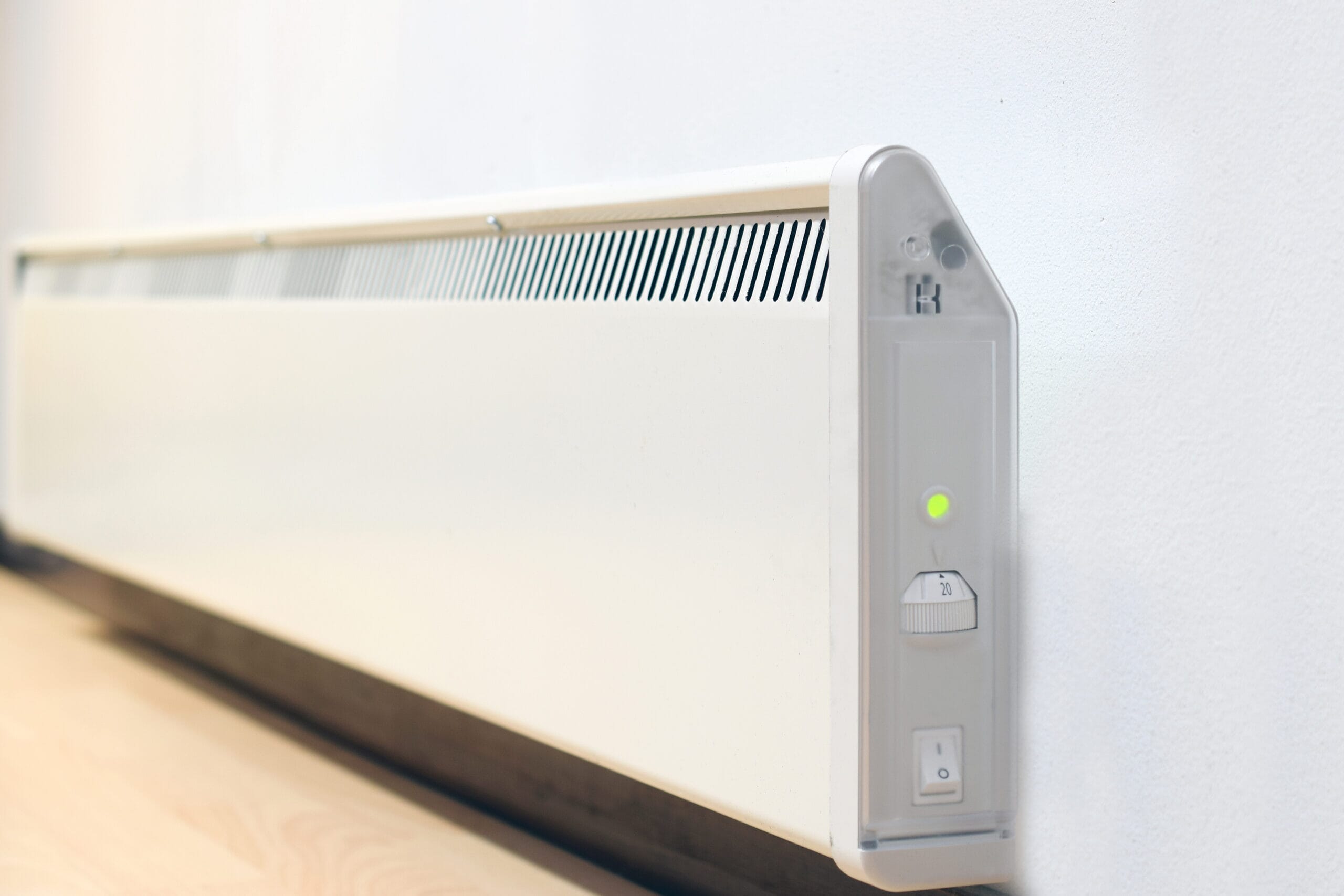
Working to BREEAM targets in London is tricky at the best of times, but in recent months developers have faced the extra hassle of ticking boxes in both BREEAM’s ENE01 section and the GLA’s new SAP10 requirement. Two very different goals which can be difficult to achieve.
The key difference is how environmentally friendly electricity is perceived to be. The GLA has pushed forward by adopting SAP10 emission factors, therefore assuming a significantly decarbonised electricity grid. BREEAM and Building Regulations still work to emission factors first published in 2012 which are based on higher levels of energy produced by coal and lower levels from offshore wind.
In fewer words, the GLA approach encourages electric forms of heating whereas BREEAM encourages the use of gas.
Stakes are high on both sides. There are up to 13 ENE credits available in BREEAM 2018, but the GLA inflicts carbon offset payments on any site which doesn’t meet zero carbon. To resolve this, the BRE has announced a new approach for earning ENE01 credits on sites where the local planning authority has requested SAP10 emission factors be used.
Using this new method should mean developers are no longer stuck between a rock and a hard place, with the two requirements becoming more closely aligned. Until BRE officially release this new method, we can’t confirm how easy it will be to earn credits. We are expecting this to only impact fully fitted sites and expect electric heating systems to be favoured over gas CHP engines.
BRE released an updated version of the BREEAM UK New Construction 2018 manual last week, which only included non-technical clarity improvements. We are however expecting BRE to release the new approach very soon. We’ll publish an updated article when the new details are made available.
You may also be interested in...

Future Homes Standard SmartTypes: A smarter way to deliver repeat house types
Webinar recap: Future Homes Standard Explained: The Essentials in 30 Minutes
[WEBINAR] Future Homes Standard Explained: What You Need To Know
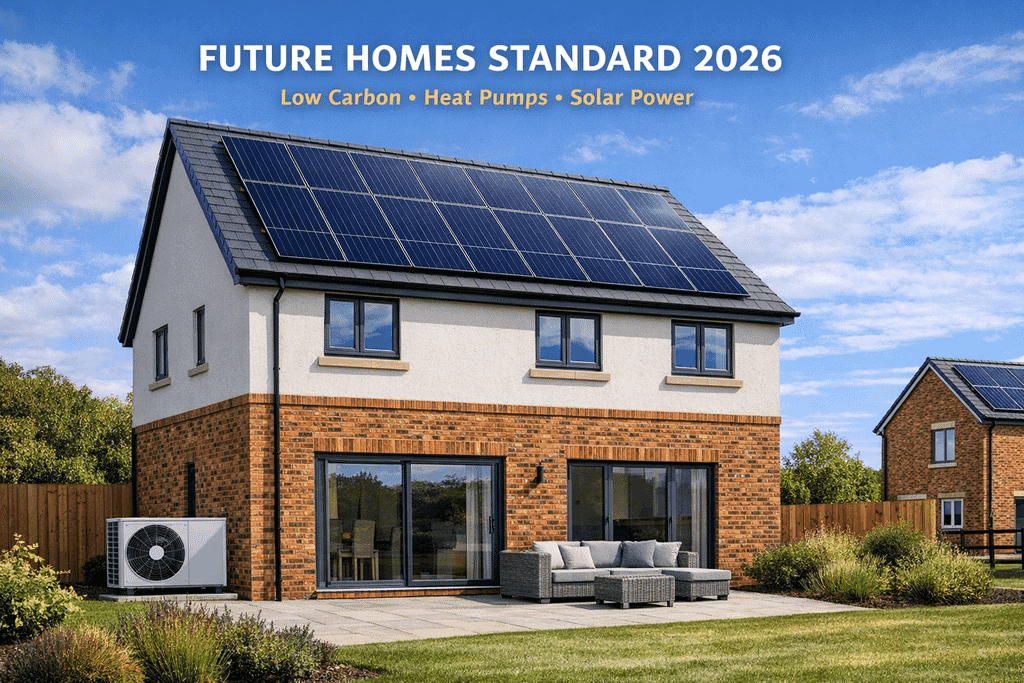
Future Homes Standard 2026: Your Key Questions Answered

Webinar Recap | Whole Life Carbon: From Principle to Practice | A Toolbox Talk

